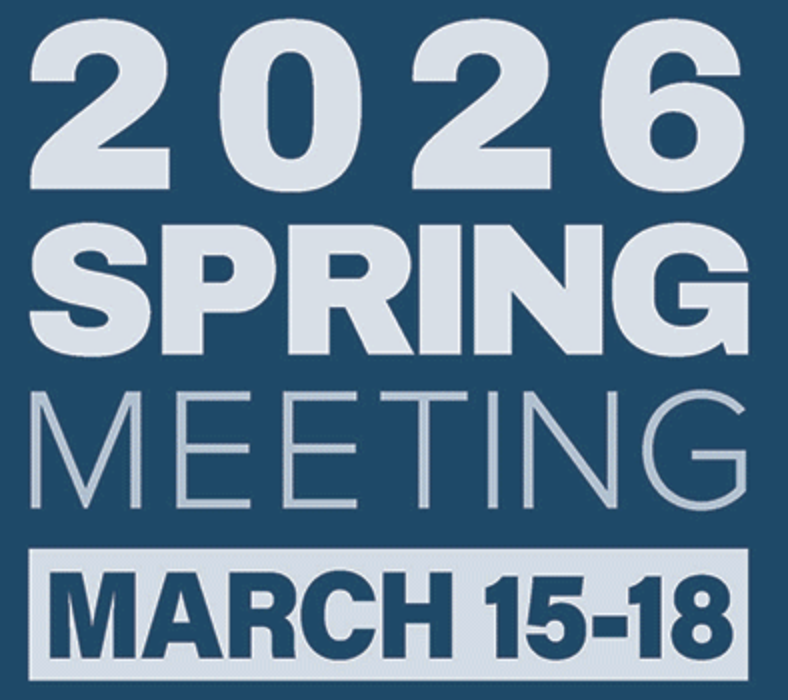
March 15, 2026
Introduction
This short course is designed for researchers in statistics and data analysis who are eager to explore the latest trends in deep learning and apply these methods to solve complex statistical problems. The course delves into the intersection of deep learning and statistical analysis, covering topics familiar to statisticians such as time series analysis, survival analysis, and quantile regression. Additionally, it addresses cutting-edge topics in the deep learning community, including transformers, diffusion models, and large language models. In this one-day short course participants will gain hands-on experience in exploring and applying deep learning methodologies to tackle various statistical challenges. Basic knowledge of Python programming will be helpful but not necessary.
Coding Sessions
| Session | Open in Colab |
|---|---|
| Session 1: Introduction |  |
| Session 2: Generative Models | |
Schedule and Slides
🎥 Recordings: Recordings for each section have been uploaded. If you are interested, please contact us via email for access.
📊 Slides: Finalized slides have been released. Click each section name for access.
| Topic | Duration | Speaker |
|---|---|---|
| Chapter 1: Foundations of Deep Learning Methods | 3h | Hongtu Zhu |
| Chapter 2: Computational Resources and Examples | 1h | Runpeng Dai |
| Chapter 3: Deep Generative Models | 1.5h | Xiao Wang |
| Chapter 4: Attention and Transformer | 1.5h | Xiao Wang |
| Chapter 5: Large Language Models | 1h | Runpeng Dai |
Tutorial Organizers
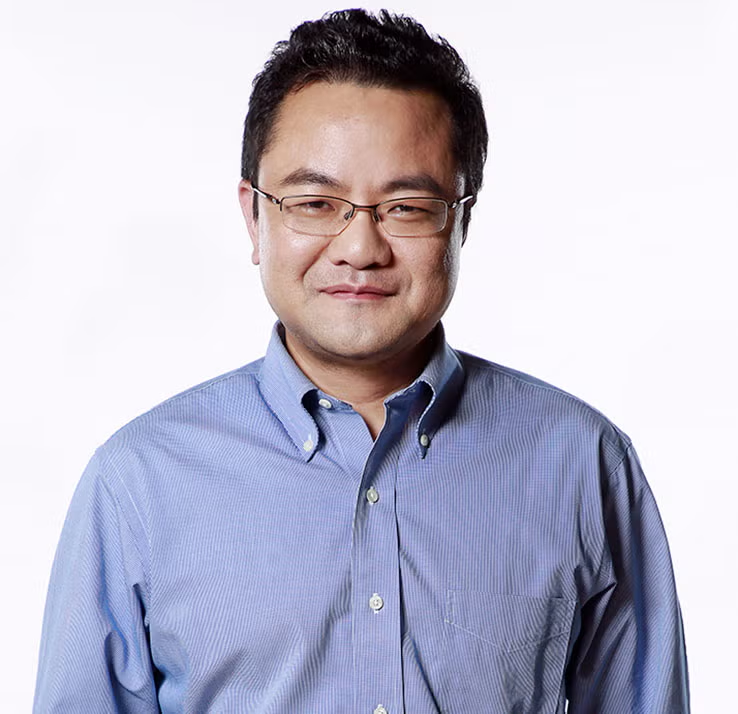
Hongtu Zhu is the Kenan Distinguished Professor of Biostatistics, Statistics, Radiology, Computer Science and Genetics at the University of North Carolina at Chapel Hill. He was a DiDi Fellow and Chief Scientist of Statistics at DiDi Chuxing between 2018 and 2020 and held the Endowed Bao-Shan Jing Professorship in Diagnostic Imaging at MD Anderson Cancer Center between 2016 and 2018. He is an internationally recognized expert in statistical learning, medical image analysis, precision medicine, biostatistics, artificial intelligence, and big data analytics. He received an established investigator award from the Cancer Prevention Research Institute of Texas in 2016, the INFORMS Daniel H. Wagner Prize for Excellence in Operations Research Practice in 2019, the IMS 2027 Medallion award and Lecture, and the COPSS 2025 Snedecor Award. He has published more than 345 papers in top journals, including Nature, Science, Cell, Nature Genetics, Nature Communication, PNAS, AOS, JASA, Biometrika, and JRSSB, as well as presenting 58+ conference papers at top conferences, including meetings for Neurips, ICLR, ICML, AAAI, and KDD. He is the coordinating editor of JASA and the editor of JASA ACS.
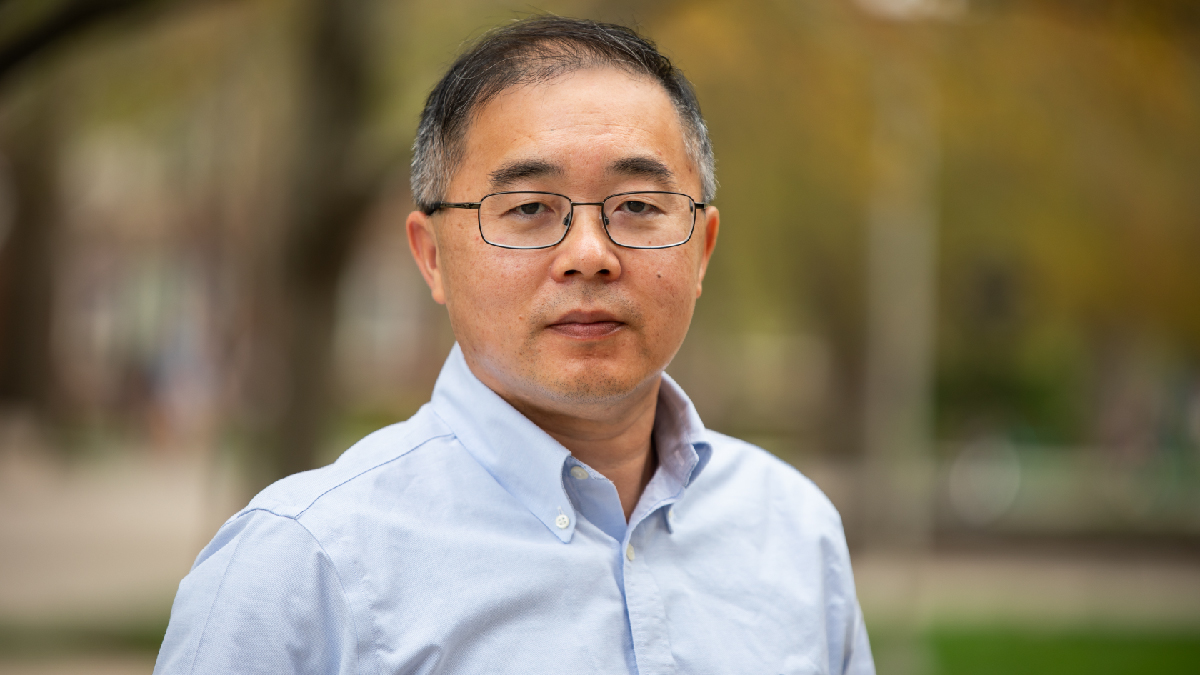
Xiao Wang obtained his Ph.D. in Statistics from University of Michigan. He is Head and J.O. Berger and M.E. Bock Professor of Statistics at Purdue University. His research expertise lies at the intersection of modern statistics and AI. Dr. Wang's work has been featured in leading statistical journals and machine learning conferences, and he is a fellow of the Institute of Mathematical Statistics (IMS) and the American Statistical Association (ASA). He also serves as associate editor of Journal of the American Statistical Association, Technometrics, and Lifetime Data Analysis.
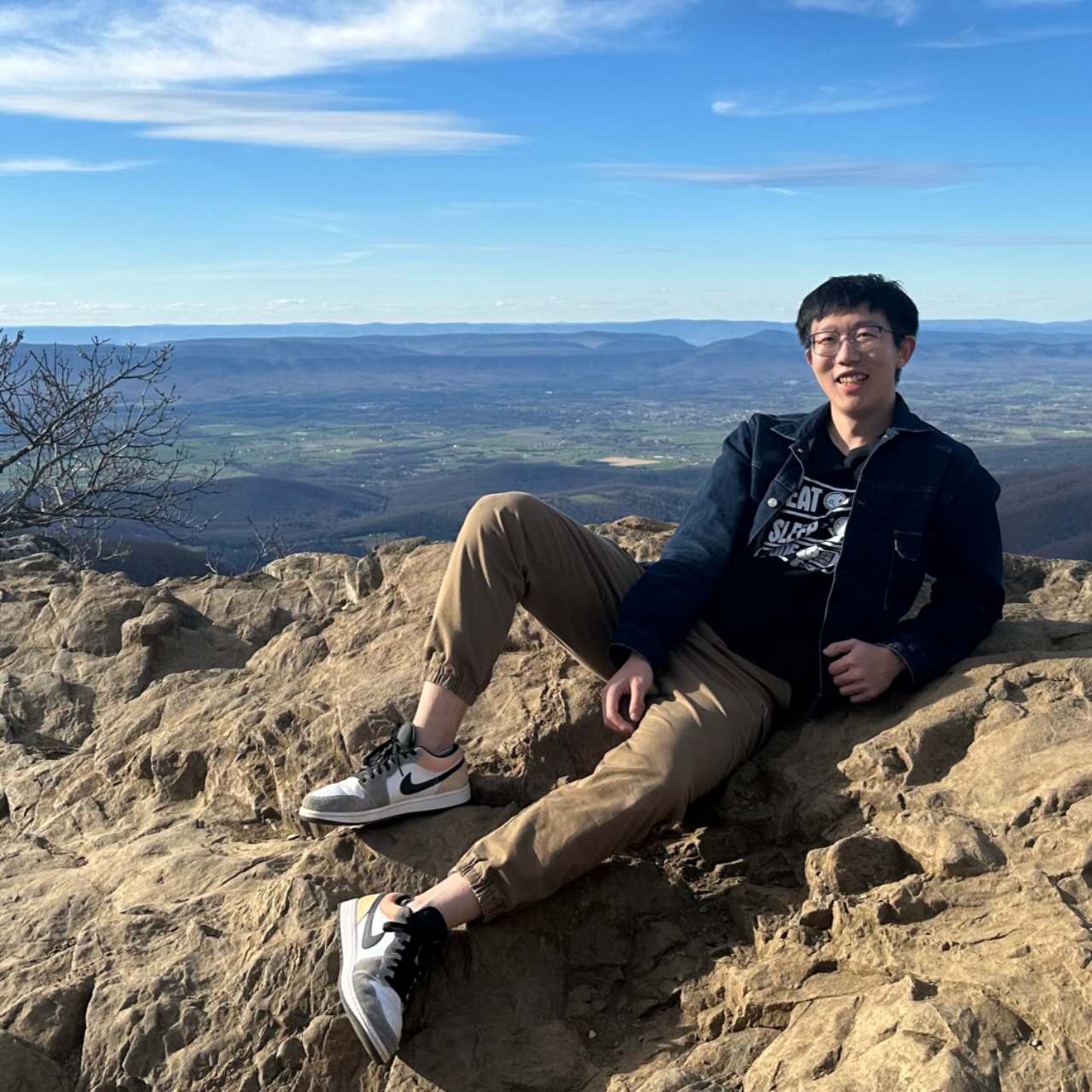
Runpeng Dai is a third-year Ph.D. candidate at the University of North Carolina at Chapel Hill, advised by Prof. Hongtu Zhu. Before that, he obtained his B.S in Statistics from the Shanghai University of Finance and Economics where he was advised by Prof. Fan Zhou. His research sits at the intersection of Reinforcement Learning and LLM Reasoning, bridging theory and practice in AI.